Durak in short: everyone gets six cards and one suit is trumps. One player attacks with a card, the next player beats it with a higher card of the same suit or a trump, and the others may throw in more cards of the ranks on the table. Beat everything and the cards are discarded; can't, and you take them all. Everyone draws back up to six. When the deck runs out, players go out as their hands empty, and the last one holding cards is the durak: the fool.
The goal
Get rid of all your cards. Whoever is left holding cards at the end is the durak, the fool. There's no winner, just one loser. Durak (дурак) is Russian for fool.
Cards and the deal
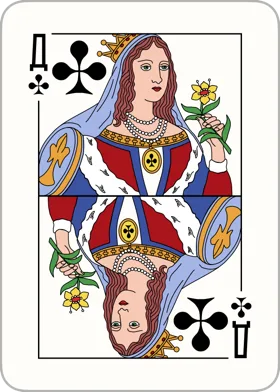
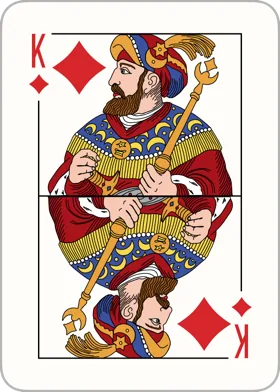
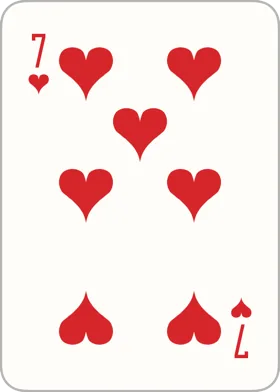
The usual deck has 36 cards, six to ace in each suit. Aces are high: 6, 7, 8, 9, 10, jack, queen, king, ace. Two to six people play; a 24-card deck (nine to ace) suits two to four, and a full 52-card deck works for bigger tables.
Everyone gets six cards. The next card is turned face up under the deck: its suit is trumps for the whole game, and it's the last card anyone draws.
Attacking
The player with the lowest trump attacks first, against the player on their left. The attacker plays any card. After that, anyone attacking may add cards of a rank that's already on the table. That's throwing in, and it's why the game is called podkidnoy (throw-in) Durak.
An attack holds at most six cards, and never more than the defender can still beat. Most tables also limit the first attack of the game to five cards, until someone defends successfully for the first time.
Defending
Beat each attacking card with a higher card of the same suit, or with any trump. A trump can only be beaten by a higher trump. Beat them all and the cards are discarded, and you attack next.
Taking the cards
Can't or won't beat a card? Take everything on the table into your hand. The others may still throw in matching cards first, and you lose your turn to attack: the attack passes to the player after you.
In Local Durak the defender taps Take. When everything is beaten, the first attacker taps Done to end the bout; the others tap Pass when they have nothing more to throw in.
Drawing and the end
After each attack everyone refills to six cards, attacker first and defender last. Once the deck is gone, players who run out of cards are out. The last one holding cards is the fool. If the last two go out together, it's a draw.
In the next game, the first attack goes to the player who was the durak.
Transfer Durak
In transfer (perevodnoy) Durak, the defender has one more option. Before beating anything, they can add a card of the same rank and pass the whole attack on to the next player, as long as that player has enough cards to answer it. The next player can pass it on again the same way.
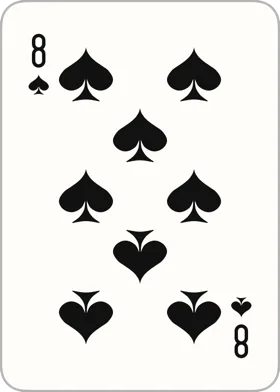
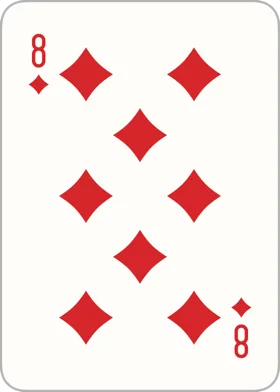
Some tables also let you transfer by just showing a trump of the same rank, keeping it in your hand. Local Durak has this as an option.
Teams
Four players can play two against two, and six can play three against three or in three pairs. Partners sit every other seat and never attack, throw in on, or help each other. When one team is out of cards, the team still holding cards are the fools, together.
Cheater games
Playing with cheaters (s shulerami), anyone may throw in a card of any rank, or "beat" a card with one that doesn't beat it. Everyone else can call it out while the card is still on the table. Caught: the card and everything played after it go back, and the cheater plays fair for the rest of the game. Call out an honest card and you're the one marked.
Epaulettes
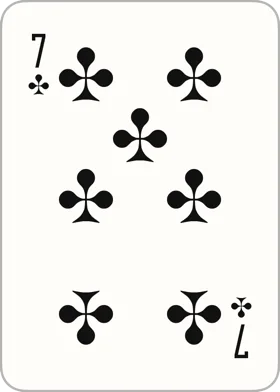
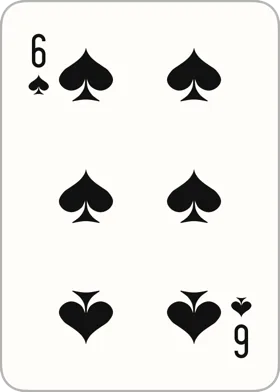
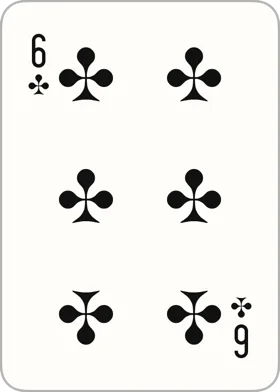
By tradition, if the last cards played on the fool are sixes, they're pinned on their shoulders as epaulettes (pogony). Pure glory for everyone else.
Words players use
| Russian | Means |
|---|---|
| Durak (дурак) | The fool, the one left holding cards |
| Podkidnoy (подкидной) | Throw-in Durak, the classic game |
| Perevodnoy (переводной) | Transfer Durak |
| Kozyr (козырь) | Trump |
| Beru (беру) | "I'll take", said by a defender who gives up |
| Bito (бито) | "Beaten": the attack is over and the cards are discarded |
| Pogony (погоны) | Epaulettes: sixes on the fool's shoulders |
Questions about the rules
How many cards can you throw in?
At most six in one bout, and never more than the defender has in hand. Many players also stop the first attack, before the first cards are beaten off, at five; in Local Durak that's a table rule.
Who goes first in Durak?
In the first game, whoever holds the lowest trump. After that, the first attack goes to the player who was the durak.
Can you throw in trumps?
Yes. You can throw in any card of a rank already on the table, trumps included.
What's the difference between throw-in and transfer Durak?
In transfer Durak, a defender who hasn't beaten anything yet can add a card of the same rank and pass the whole attack on to the next player. In throw-in Durak you can only beat the cards or take them.
Can Durak end in a draw?
Yes. If the last two players get rid of their cards at the same moment, there's no durak: it's a draw.
What are epaulettes in Durak?
If the durak is finished off with sixes (the deck's lowest cards, not trumps), they go on the durak's shoulders as epaulettes. In Local Durak they appear on the durak's picture.
How do you play Durak with two players?
By the same rules: six cards each, take turns attacking, and both draw back up to six after each bout. A 24- or 36-card deck works best for two.
Play Durak with friends on your phones, no internet needed.
 Free beta on TestFlightGet Local Durak